Exactly How Is Urinary System Incontinence Connected To Menopause?
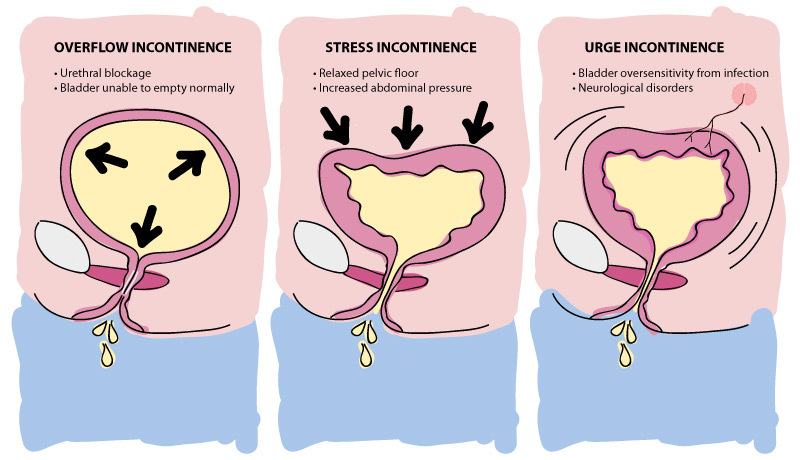
For example, you might only leakage a few declines of urine when you laugh, exercise, coughing, or pick up heavy items. Or you may experience a sudden desire to pee and be not able to maintain it in prior to reaching the washroom, causing a crash. While urinary system incontinence can influence individuals of any ages, it's specifically usual in women because of factors like maternity, giving birth, menopause, aging, and hormone adjustments.Risk Elements For Early Perimenopause
While you could see the first signs during perimenopause, postmenopause is the time when urinary incontinence usually ends up being even more noticeable, more consistent, and more probable to call for active management. Obviously, as you age, other points can create urinary system incontinence. Allow's here speak about what else may be taking place and after that discover some reliable means to handle it. The bladder is a balloon like muscular tissue that increases as it fills with urine. Over time, the bladder loses tone and it comes to be more challenging to empty the bladder totally.- When you begin taking a GLP-1 drug like Ozempic, it's regular to really feel most thrilled concerning results like much better blood glucose control and reaching your weight reduction goals.Comprehending how hormones manage these systems helps discuss common symptoms that arise with age, pregnancy, or menopause.To locate research study that satisfied the incorporation criteria, a comprehensive electronic search of pertinent data sources was executed.By invigorating these cells, FemiLift can minimize symptoms of both stress and anxiety and prompt urinary incontinence.
Exactly How Does Giving Birth Reason Urinary System Incontinence?
Urinary urinary incontinence might likewise occur if there is a trouble with the nerves that regulate the bladder muscle mass and urethra. Urinary system urinary incontinence can imply you leakage a small amount of pee or release a great deal of pee all at once. Most individuals think of estrogen as the sex hormonal agent that plays a major function in periods and maternity.